« Flora & Fauna | Mammals | Reptiles & Amphibians | Insects | Spiders, crabs & snails | Sea creatures | Birds
Bermuda’s shores and reefs are full of invertebrates, animals without a backbone. This page covers crabs, lobsters and shrimps, sea urchins and sea cucumbers, jellyfish and other stingers, octopus and squid, and anemones, sponges and worms. Corals, sea slugs and shells have their own pages: Corals, Nudibranchs & Sea Slugs and Shells, and the glowing fireworms of summer nights have a page of their own. Land crabs are on our Spiders, Centipedes, Land Crabs and Snails page.
Several of these animals are protected by law, including two sea urchins and a sea cucumber. Please enjoy them where they are and take nothing alive from the sea. A few can sting, so read staying safe before you swim.
Key: found only in Bermuda endemic native arrived naturally migrant visitor passes through, does not live here introduced brought in by people protected protected by Bermuda law (Bermuda’s protected species: Protected Species Act 2003 and Fisheries (Protected Species) Order 1978) around the cottages you may see it at Watford Studios
Around the cottages
Our cottages sit right on the water at Sugar Cane Point, on Mangrove Bay in Somerset. In the garden, on the lawn, along the sea wall and out in the bay, look out for:
- Caribbean spiny lobster: Hiding under ledges in the rocks off our beach: look for their long antennae when you snorkel. Look, but no catching.
- Sally lightfoot crab: On the rocks below the sea walls, close to the water.
- Portuguese man o’ war: Occasionally washed up on our beach in spring. Do not touch, even if it looks dead.
Crabs, lobsters and shrimps
Watch the rocks at the water’s edge and you will soon see crabs; lift a clump of washed-up sargassum weed and you may find more.
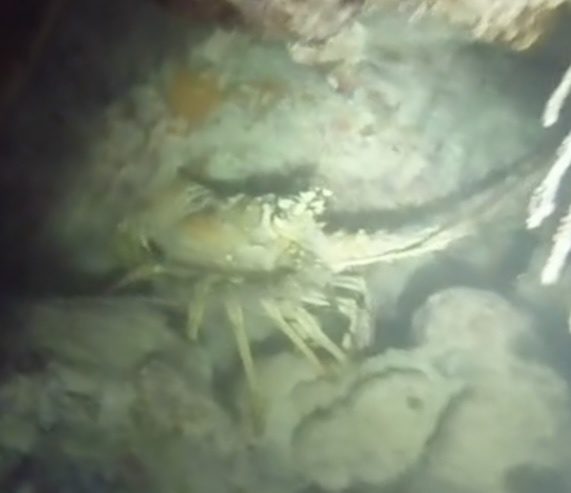
Caribbean spiny lobster Panulirus argusnativearound the cottagesBermuda’s lobster has no big claws. By day it hides in reef crevices with just its long, spiny antennae poking out. Lobster season runs from 1 September to 31 March, and only Bermuda residents with a recreational licence may take them (free-diving, with a noose or snare; no scuba and no spears), so visitors may look but not catch.Around the cottages: Hiding under ledges in the rocks off our beach: look for their long antennae when you snorkel. Look, but no catching.Photo: Thomas Irvine (CC BY) 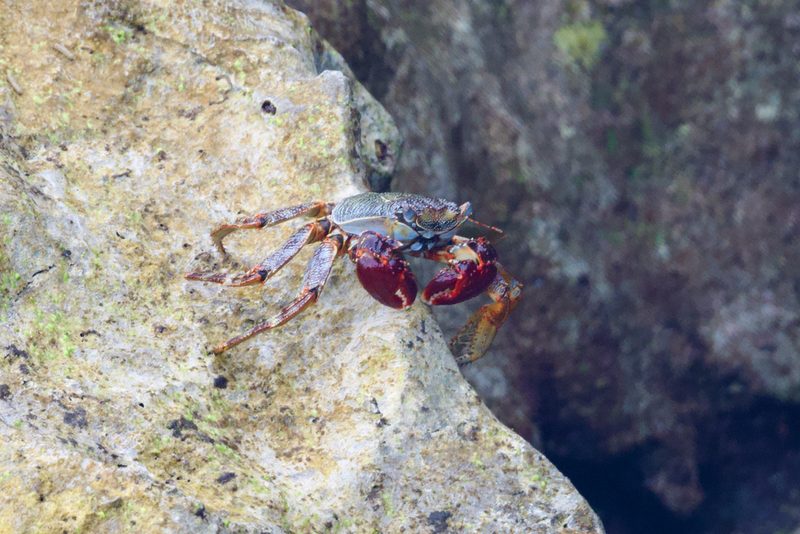
Sally lightfoot crab Grapsus grapsusnativearound the cottagesA big, flat crab in red, orange and brown that races over wave-splashed rocks, keeping just out of reach of the surf. It is very wary: move slowly to get a close look.Around the cottages: On the rocks below the sea walls, close to the water.Photo: iNaturalist user (CC0) 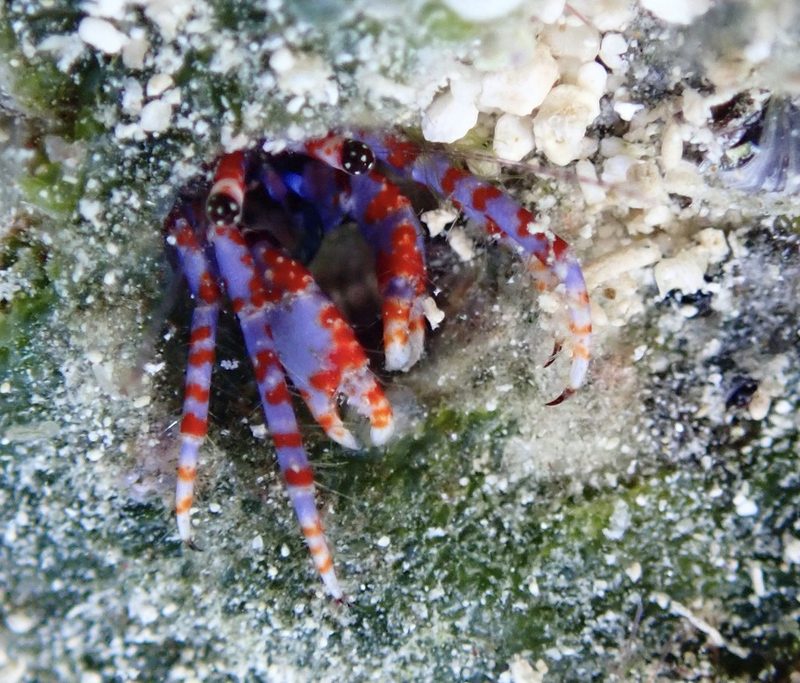
Verrill’s hermit crab Calcinus verrilliifound only in BermudaA small hermit crab found only in Bermuda, common in rock pools and shallow water. Like all hermit crabs it lives in the empty shell of a sea snail and moves house as it grows.Photo: Thomas Irvine (CC BY) 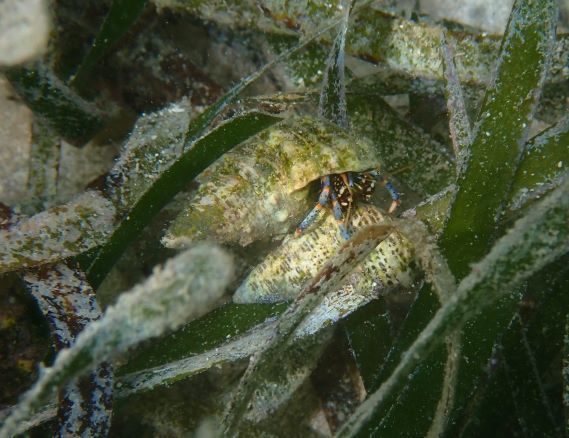
Blue-legged hermit crab Clibanarius tricolornativeA tiny hermit crab with bright blue legs, often in busy groups in shallow, sheltered water and rock pools.Photo: Alison Copeland (CC BY) 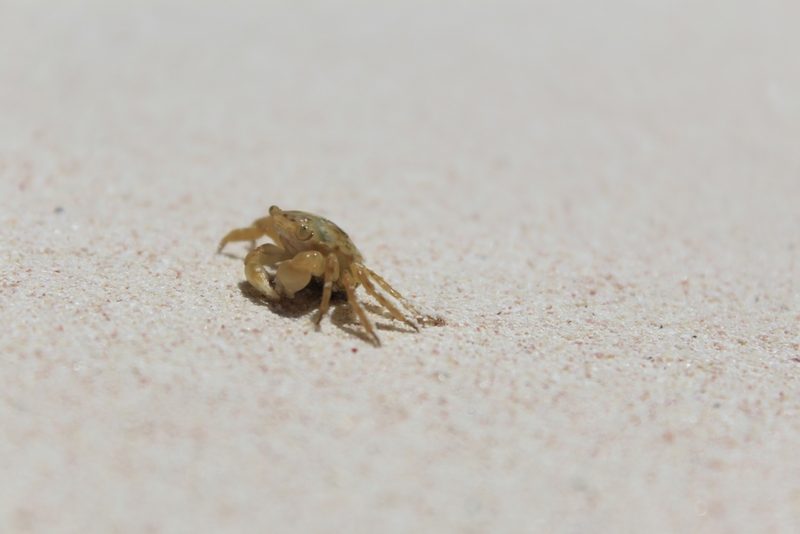
Gulfweed crab Planes minutusnativeA little crab that spends its life riding the floating sargassum weed of the Sargasso Sea, which surrounds Bermuda. Its colours match the weed.Photo: liam1294 (CC BY)
Sea urchins, sea stars and sea cucumbers
Three of Bermuda’s echinoderms are protected by the Protected Species Order 2015: the long-spined sea urchin, the West Indian sea egg and the four-sided sea cucumber.
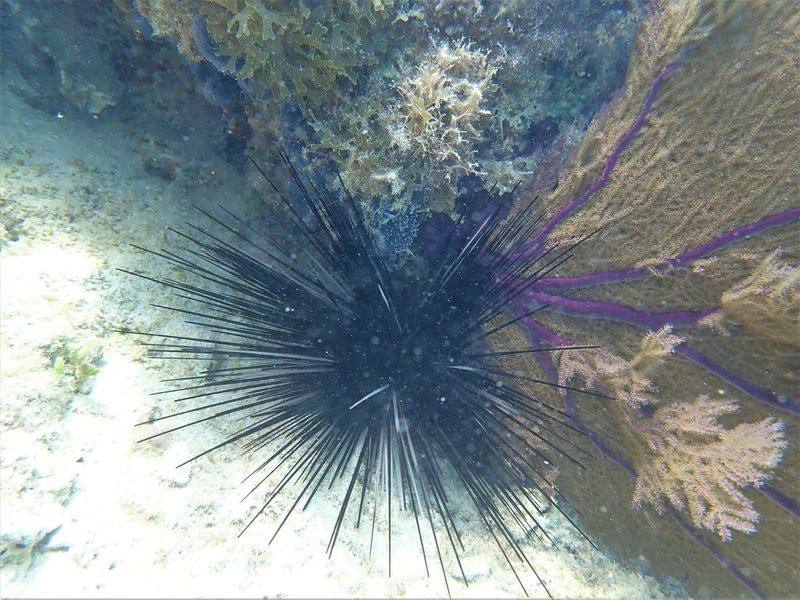
Long-spined sea urchin Diadema antillarumnativeprotectedLong, needle-sharp black spines that break off in the skin, so watch where you put your hands and feet. It grazes seaweed off the reef, which helps the corals. In 1983–84 a disease killed most of these urchins across the Caribbean, Florida and Bermuda, and they are still far fewer than they were.Photo: Alison Copeland (CC BY) 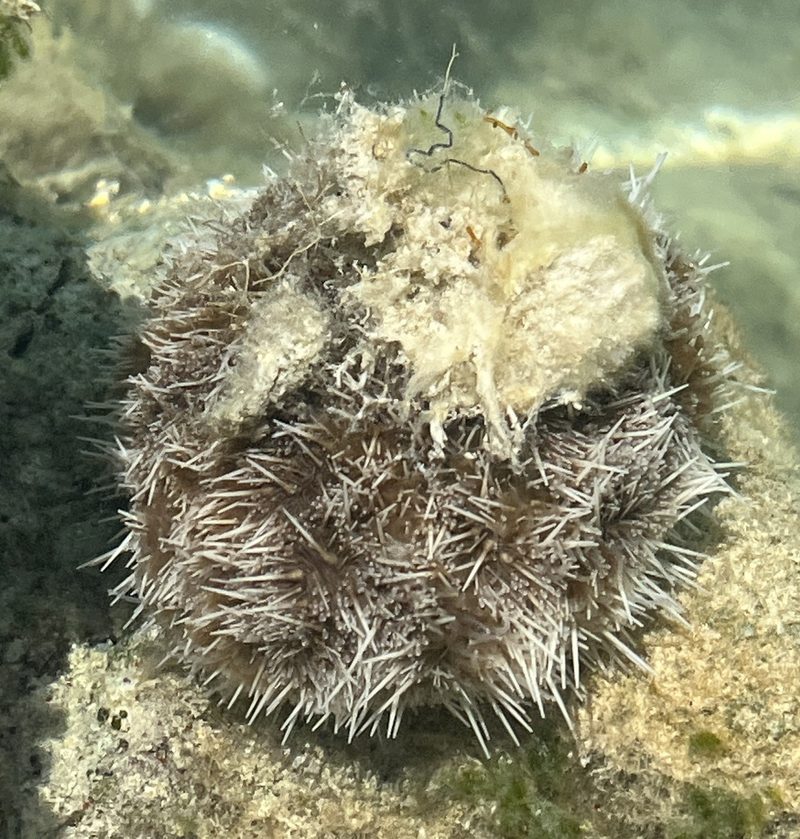
West Indian sea egg Tripneustes ventricosusnativeprotectedA large, rounded urchin with a dark body and short white spines, often found in seagrass beds, where it grazes.Photo: Thomas Irvine (CC BY) 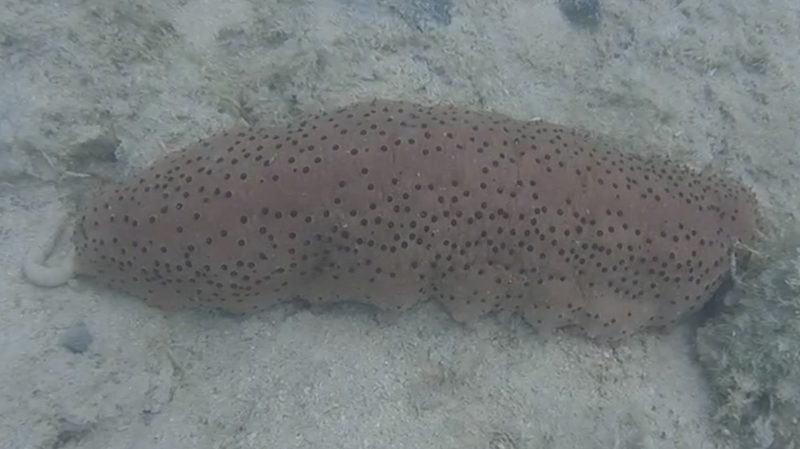
Four-sided sea cucumber Isostichopus badionotusnativeprotectedAlso called the chocolate chip sea cucumber: a firm, brown or orange sausage with dark knobbly spots, lying on sand and seagrass. It feeds by sifting the sand. Please don’t pick it up.Photo: Thomas Irvine (CC BY) 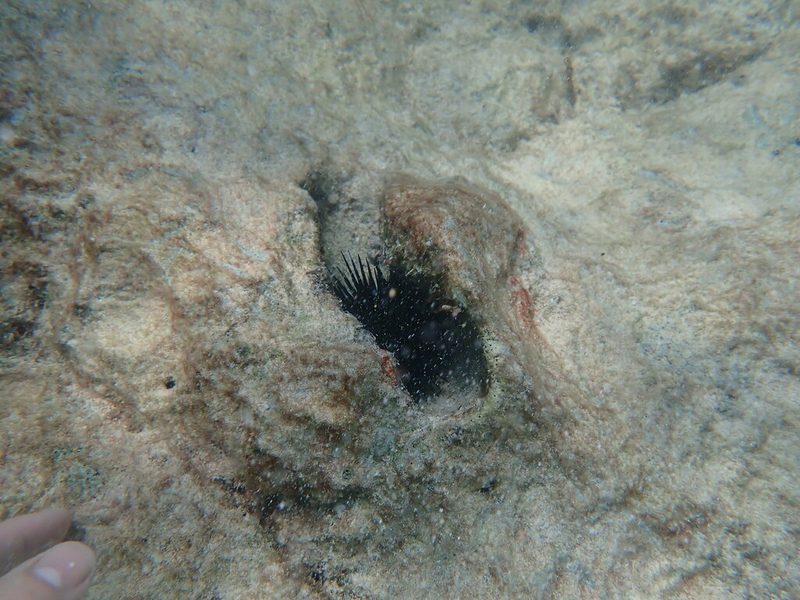
Rock-boring urchin Echinometra lucunternativeA short-spined, dark red to black urchin that wears a hollow into the rock right at the water’s edge and lives in it, often in the surf zone. Easy to step on.Photo: Zakqary Roy (CC BY)
Jellyfish, Portuguese man o’ war and other stingers
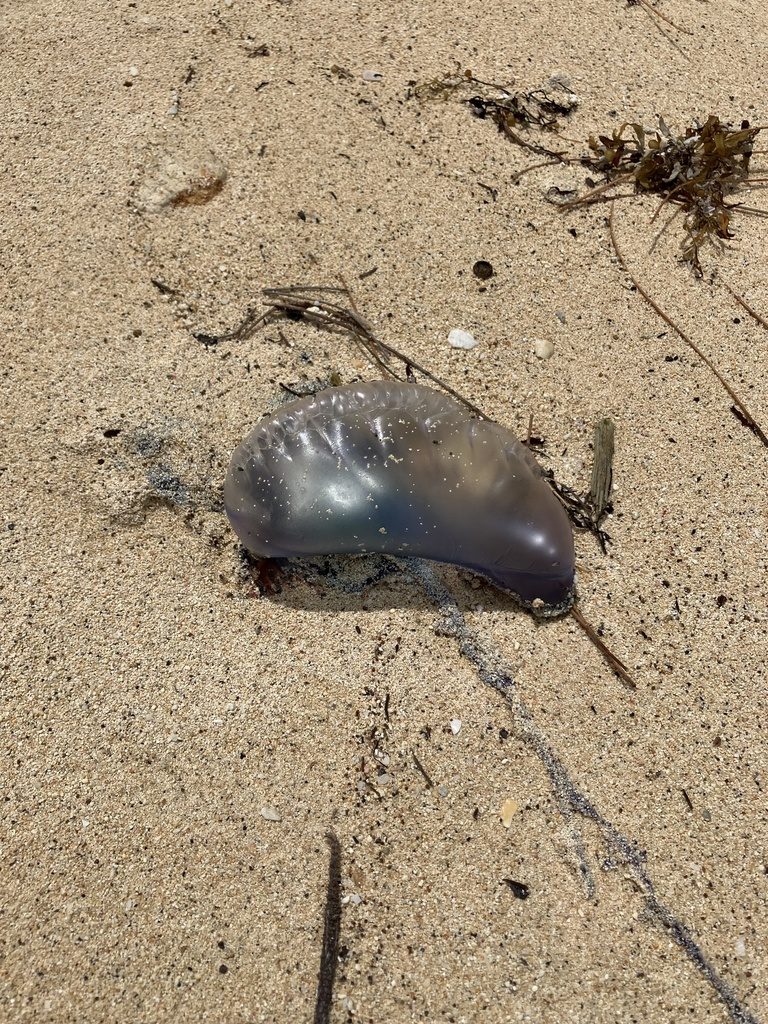
Portuguese man o’ war Physalia physalisaround the cottagesNot a true jellyfish but a floating colony: a blue, gas-filled float sits on the surface while stinging tentacles trail many metres below. Winds blow them ashore, most often on the South Shore and mainly in spring and early summer. The sting is very painful. Never touch one, even on the sand.Around the cottages: Occasionally washed up on our beach in spring. Do not touch, even if it looks dead.Photo: iNaturalist user (CC0) 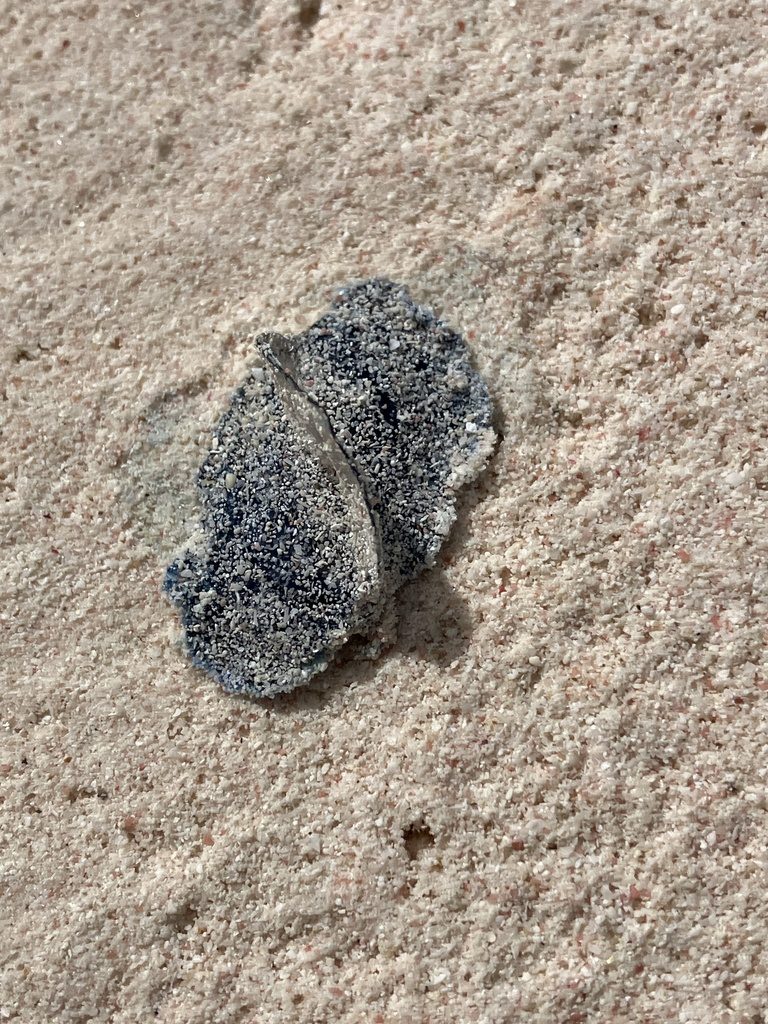
By-the-wind sailor Velella velellaSmall blue discs, each with a stiff, clear sail, that drift on the open sea and sometimes wash up in their thousands. A relative of the man o’ war, but its sting is too weak for most people to feel.Photo: iNaturalist user (CC0) 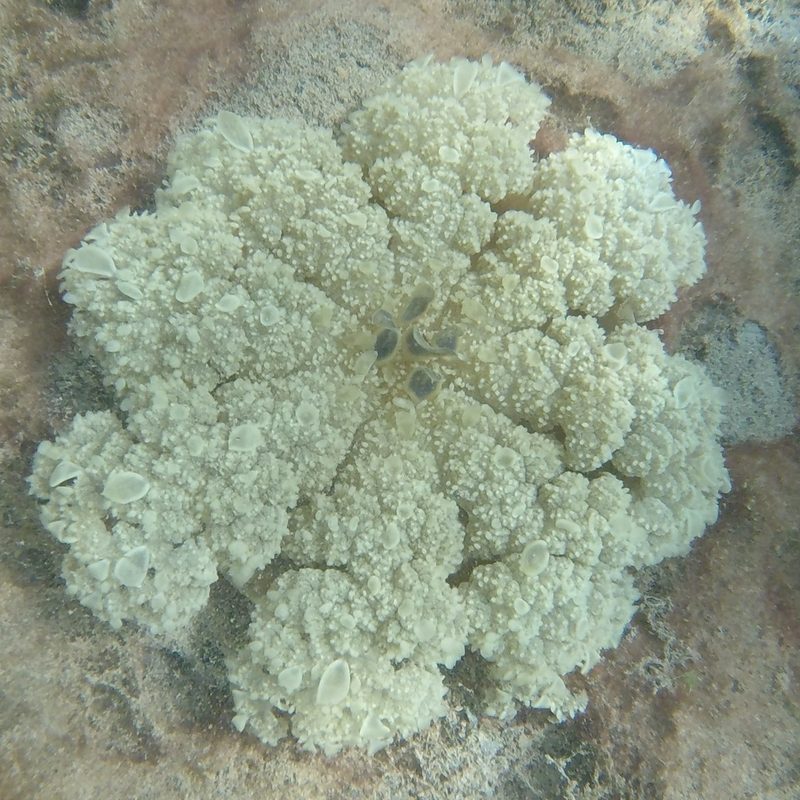
Upside-down jellyfish Cassiopea andromedaLies upside down on the bottom of calm, shallow bays and mangrove ponds, gently pulsing, with its frilly arms facing the sun: tiny algae living in its tissues make food for it. It can give a mild sting.Photo: Thomas Irvine (CC BY) 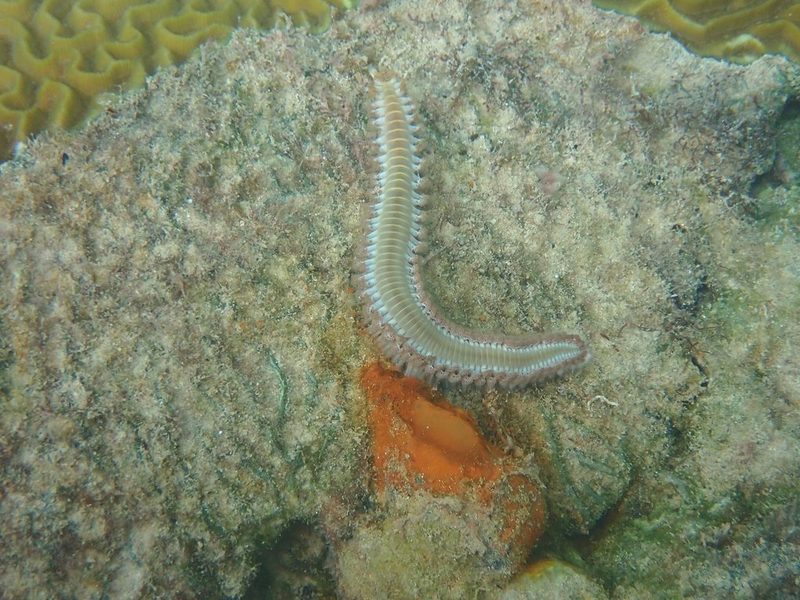
Bearded fireworm Hermodice carunculatanativeA fat, bristly worm in orange, red or greenish shades, with white tufts along its sides, crawling over reefs and rocks. Don’t touch: the bristles break off in the skin and burn. Not to be confused with Bermuda’s tiny, harmless glowing fireworms.Photo: Alison Copeland (CC BY)
Stings and spines: staying safe
- Wear water shoes on rocky shores and when wading over rocks: sea urchin spines are sharp and break off in the skin.
- Portuguese man o’ war: keep well away in the water and on the beach, and never touch one, even one that looks dead on the sand: the tentacles can still sting. When they are about, the Government posts warnings and occasionally closes beaches to swimmers.
- If you are stung, get out of the water calmly. Remove any tentacles still stuck to the skin without using your bare hands (gloves, tweezers or the edge of a card), rinse with seawater rather than fresh water, and don’t rub. Soaking in water as hot as you can comfortably bear (not scalding) helps the pain.
- Get medical help straight away for any trouble breathing, chest pain, swelling of the face or a large area of stings, and for stings on a small child or an older person.
- Look, don’t touch fireworms, fire sponge and anemones.
Octopus and squid
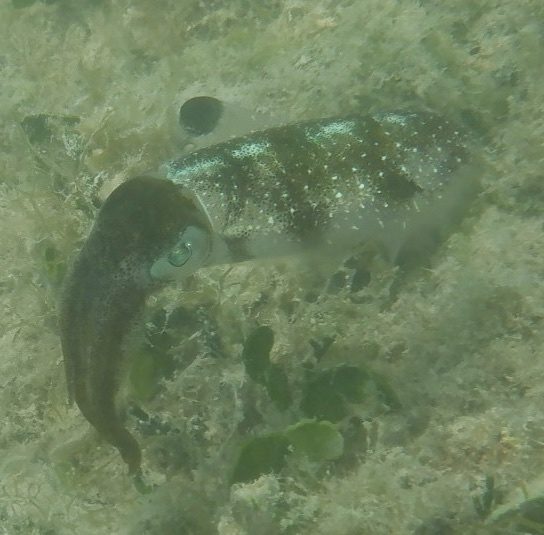
Caribbean reef squid Sepioteuthis sepioideanativeOften seen in small groups hovering over reefs and seagrass in shallow water, flashing through colour changes in an instant. Snorkellers regularly meet them close to shore.Photo: Thomas Irvine (CC BY) 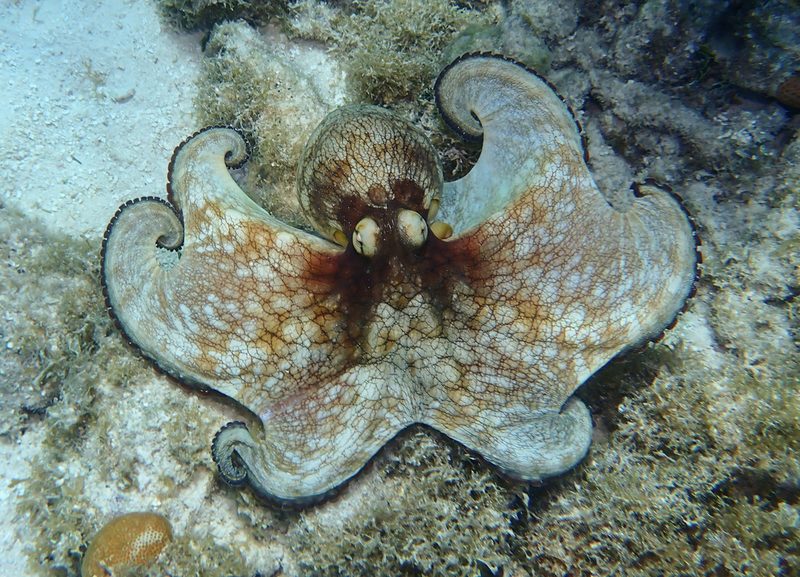
Reef octopus Octopus insularisnativeHides in reef holes by day, often given away by a pile of empty shells at the door, and can change colour and skin texture to match the rock. Most Bermuda photos on iNaturalist are identified as this species; older books call Bermuda’s octopus the common octopus, Octopus vulgaris.Photo: Don Loarie (CC BY) 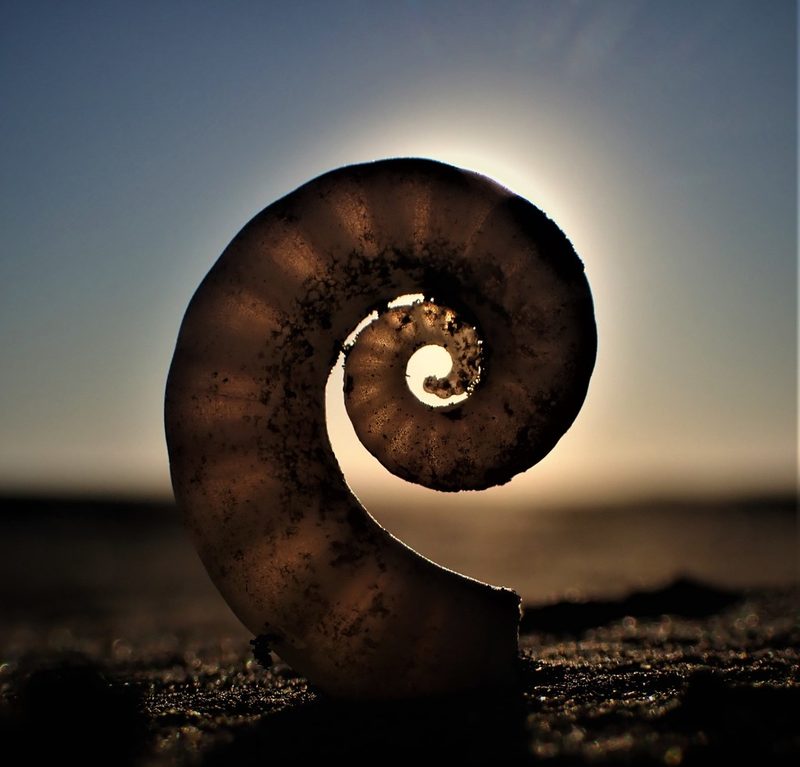
Ram’s horn squid Spirula spirulanativeA small squid of the deep ocean that you will never see alive, but its little white, coiled shell, which it carries inside its body as a float, often washes up on the beach.Photo: Javier (CC BY)
Sea anemones, sponges and others
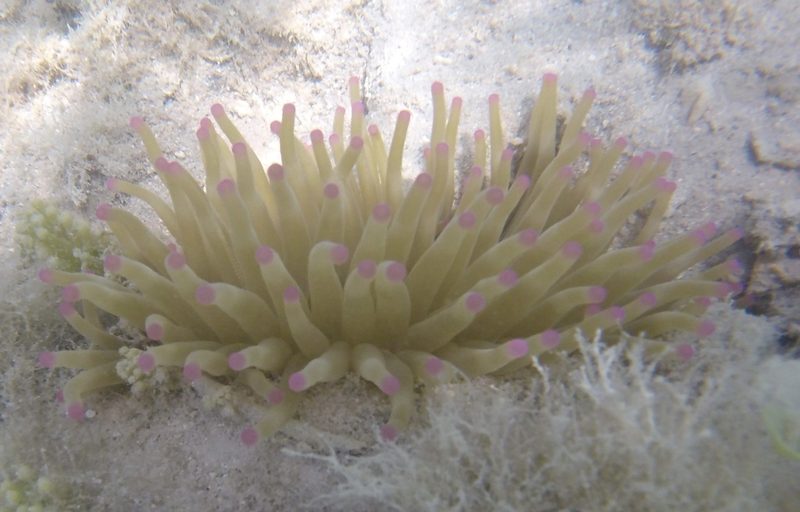
Giant anemone Condylactis giganteanativeA large anemone with long, thick tentacles, often tipped pink or purple, tucked into crevices on reefs and rocks. Small shrimps often live among the tentacles.Photo: Thomas Irvine (CC BY) 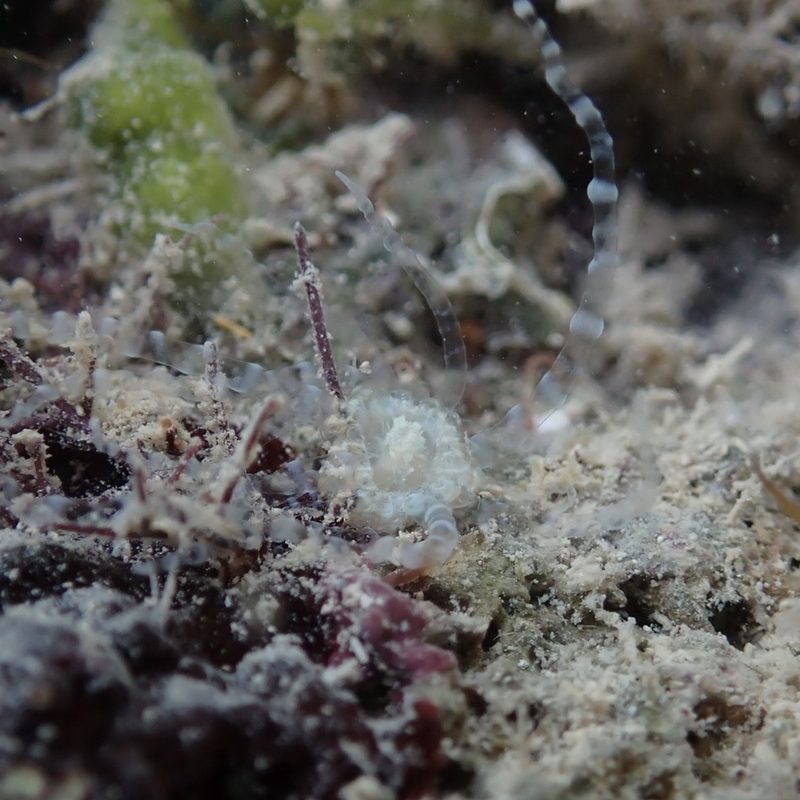
Corkscrew anemone Bartholomea annulatanativeSee-through tentacles ringed with white spirals, usually reaching out of a crevice. Look for the little cleaner shrimps that often share it.Photo: Thomas Irvine (CC BY) 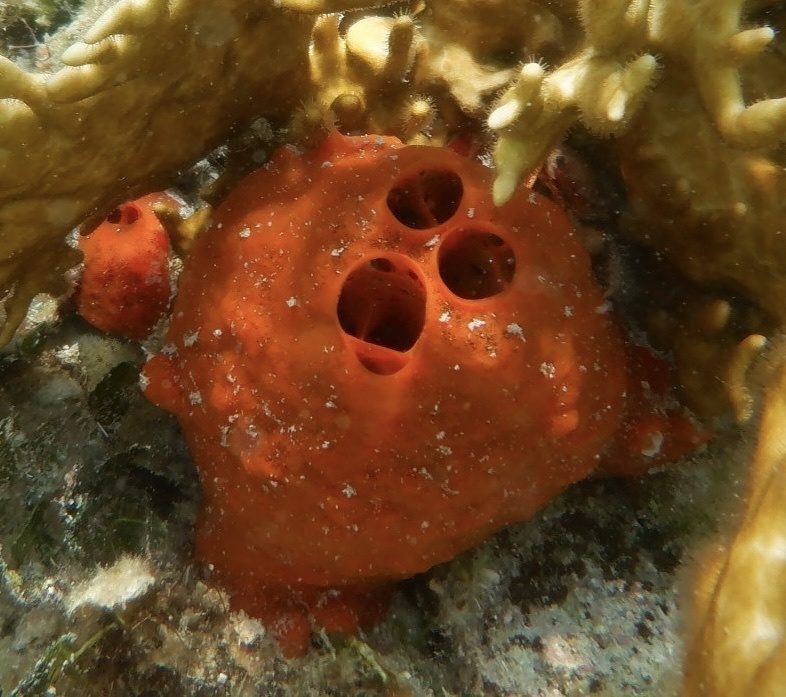
Fire sponge Tedania ignisnativeA bright orange-red sponge on rocks, mangrove roots and pilings in shallow water. As the name suggests, touching it causes a painful, itchy rash.Photo: Thomas Irvine (CC BY) 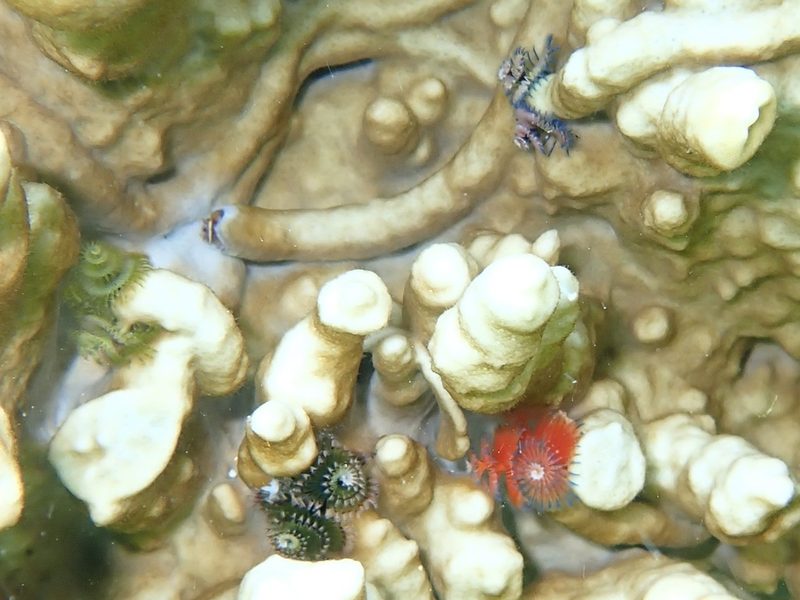
Christmas tree worm Spirobranchus giganteusnativeTiny, brightly coloured spiral “trees” on coral heads: the feeding plumes of a worm that lives in a tube in the coral. Move slowly; they vanish in a flash if disturbed.Photo: Thomas Irvine (CC BY)
See the complete list of crabs, lobsters, urchins and other sea creatures recorded in Bermuda (1399 species) »
« Flora & Fauna | Mammals | Reptiles & Amphibians | Insects | Spiders, crabs & snails | Sea creatures | Birds