
Insects of Bermuda
« Flora & Fauna | Mammals | Reptiles & Amphibians | Insects | Spiders, crabs & snails | Sea creatures | Birds
Hundreds of kinds of insect have been recorded in Bermuda. Many arrived on their own, blown out to sea from North America, others came with plants and cargo, and a few are found nowhere else. Here are some of the ones you are most likely to notice: butterflies in the garden, dragonflies over the lawn, and some interesting bees and bugs.
Key: found only in Bermuda endemic native arrived naturally migrant visitor passes through, does not live here introduced brought in by people protected protected by Bermuda law (Bermuda’s protected species: Protected Species Act 2003 and Fisheries (Protected Species) Order 1978) around the cottages you may see it at Watford Studios
Around the cottages
Our cottages sit right on the water at Sugar Cane Point, on Mangrove Bay in Somerset. In the garden, on the lawn, along the sea wall and out in the bay, look out for:
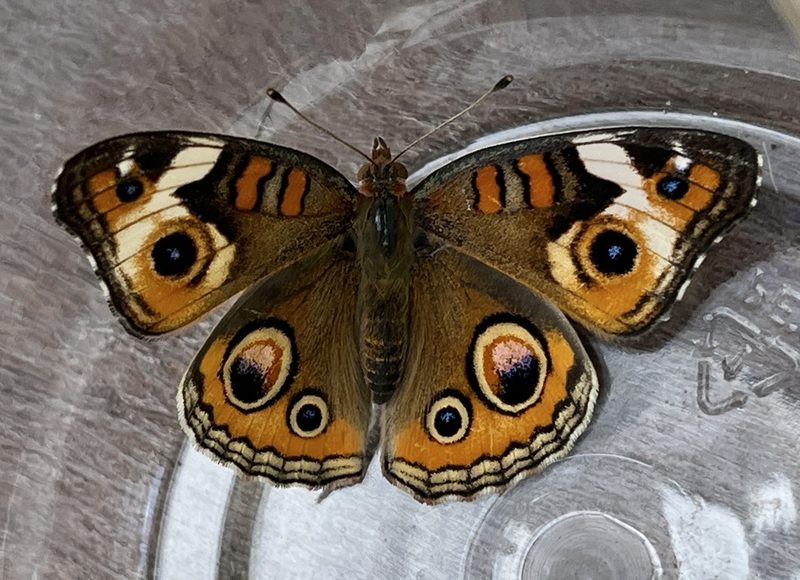
- Bermuda buckeye: Over the lawn on sunny days.
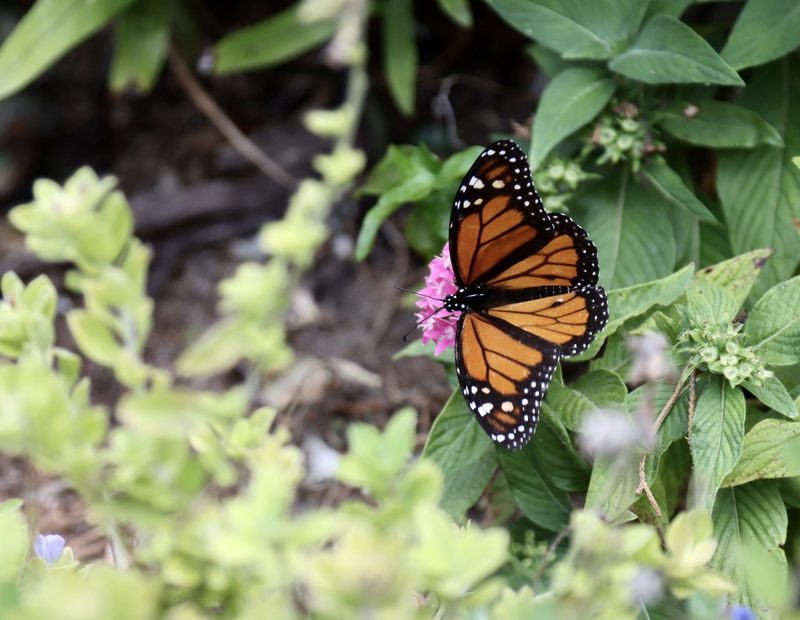
- Monarch: Around Studio II, where we plant milkweed for them.
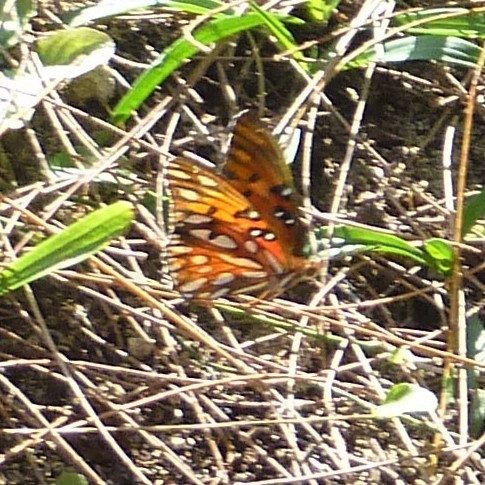
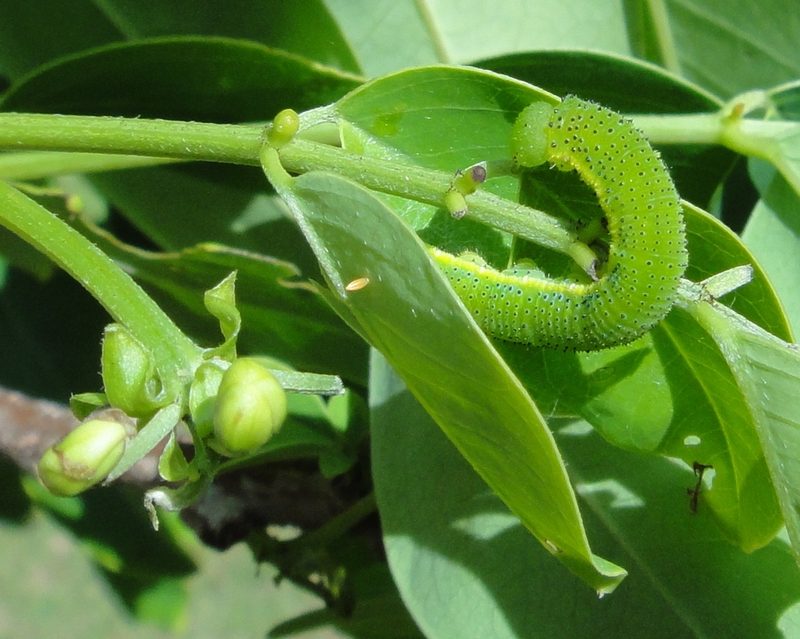
- Gulf fritillary: In the garden, where we grow passion fruit: its spiky orange caterpillars feed only on passion vines.
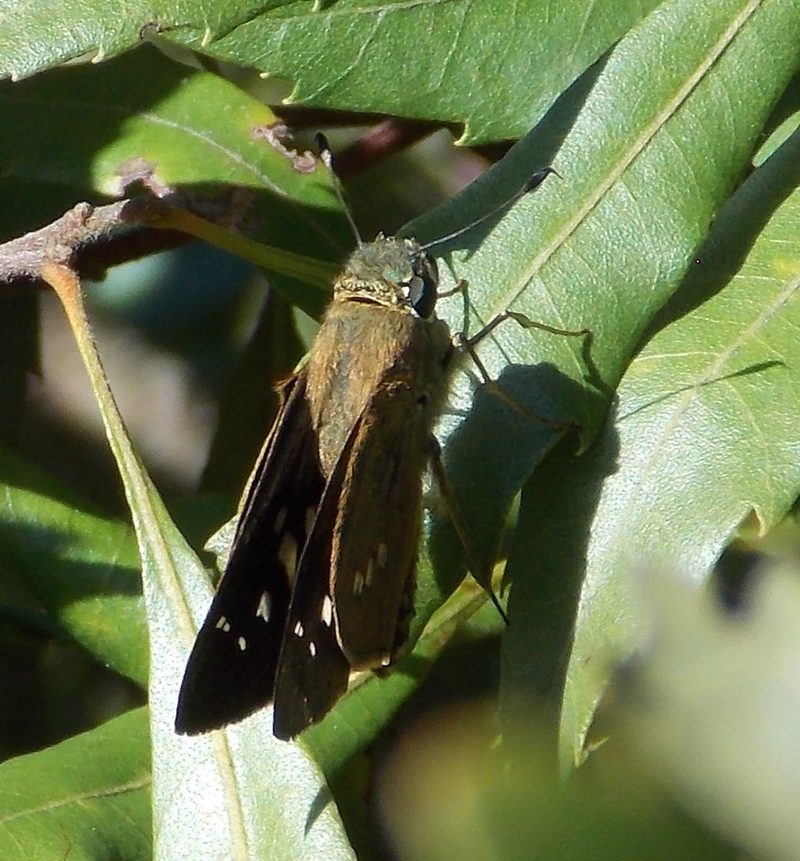
- Brazilian (canna) skipper: Darting around the garden flowers.
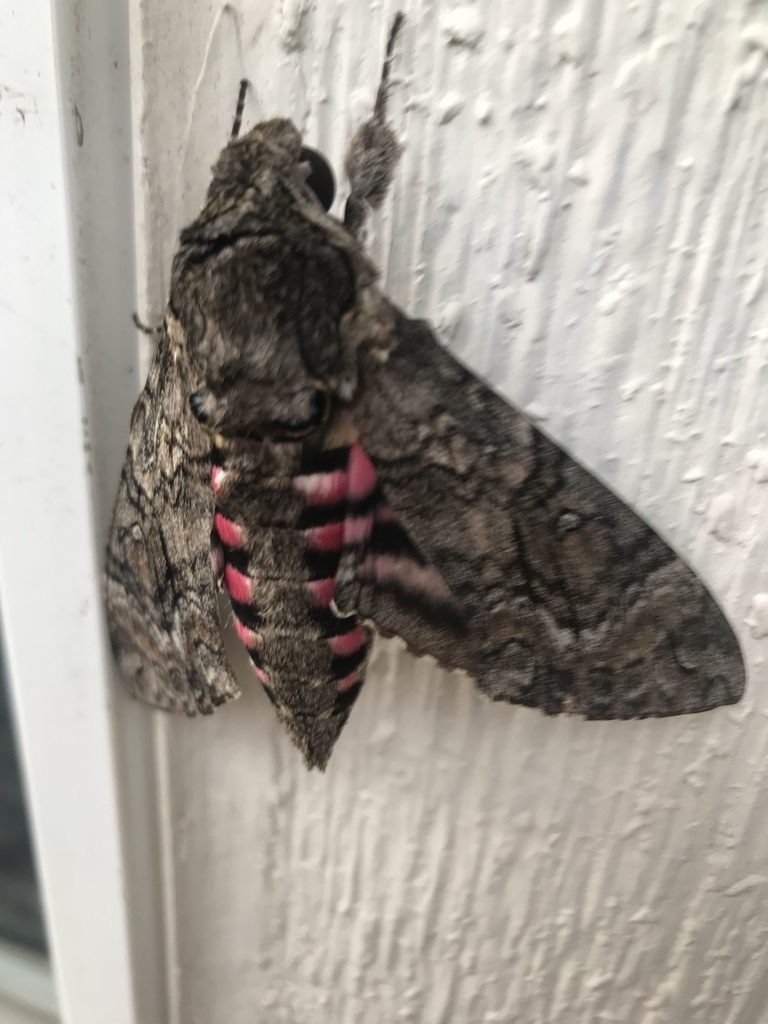
- Pink-spotted hawkmoth: At dusk around our dragon fruit (night-blooming cereus): big hawkmoths visit the huge white flowers at night and pollinate them.
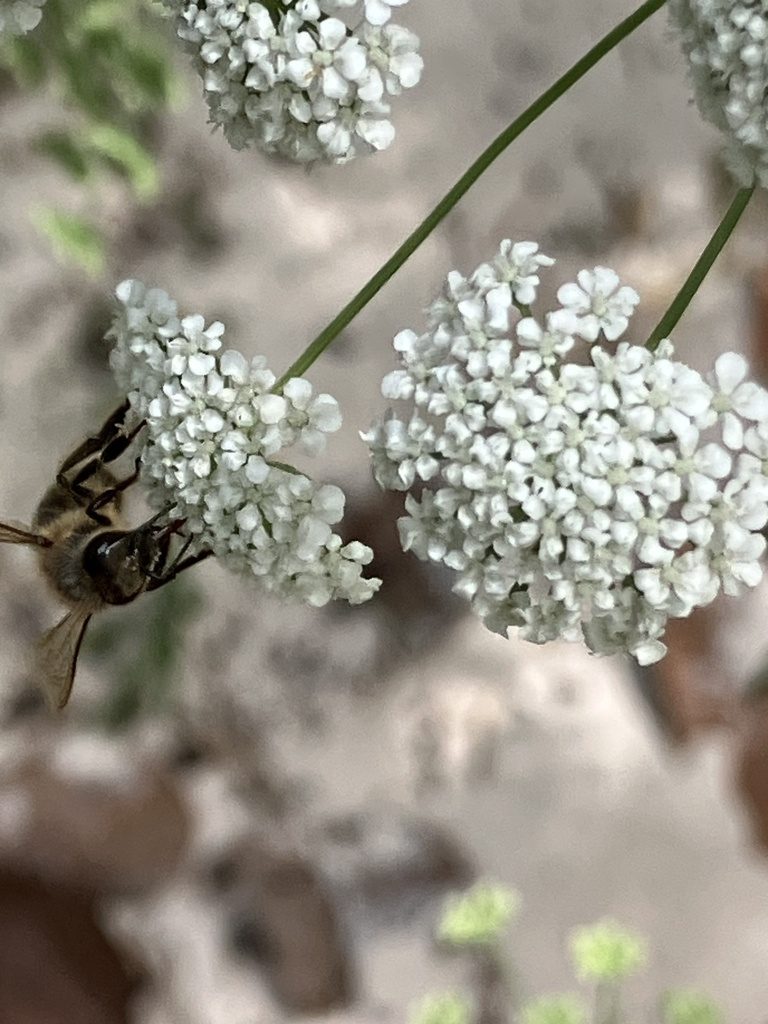
- Honey bee: On the garden flowers.
Butterflies and moths
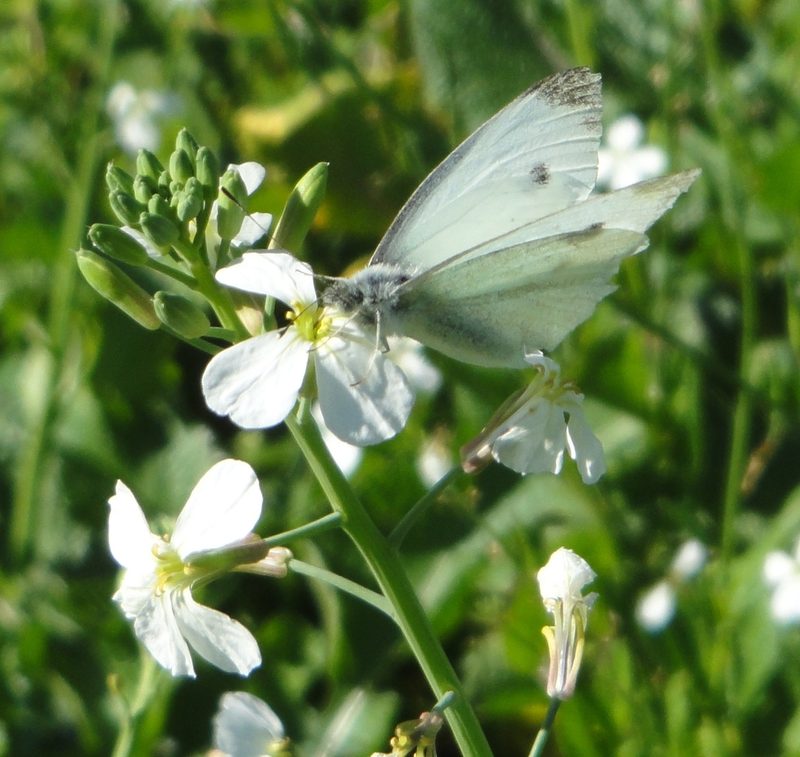
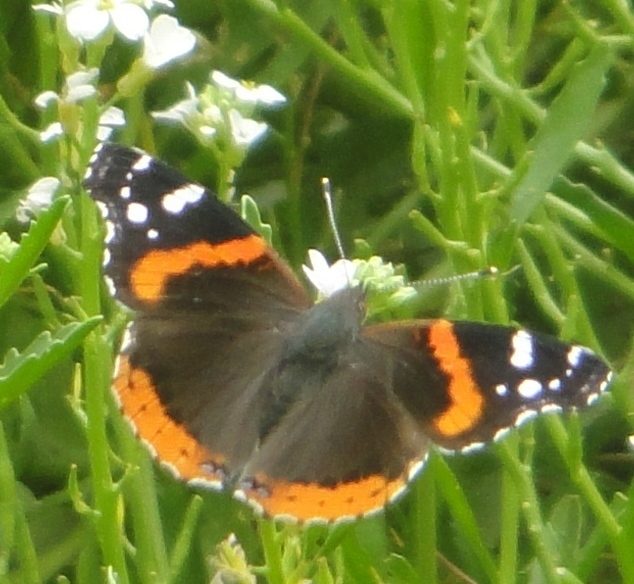
About 16 kinds of butterfly have been recorded in Bermuda, but only a handful live here all year; the rest are occasional visitors from North America.
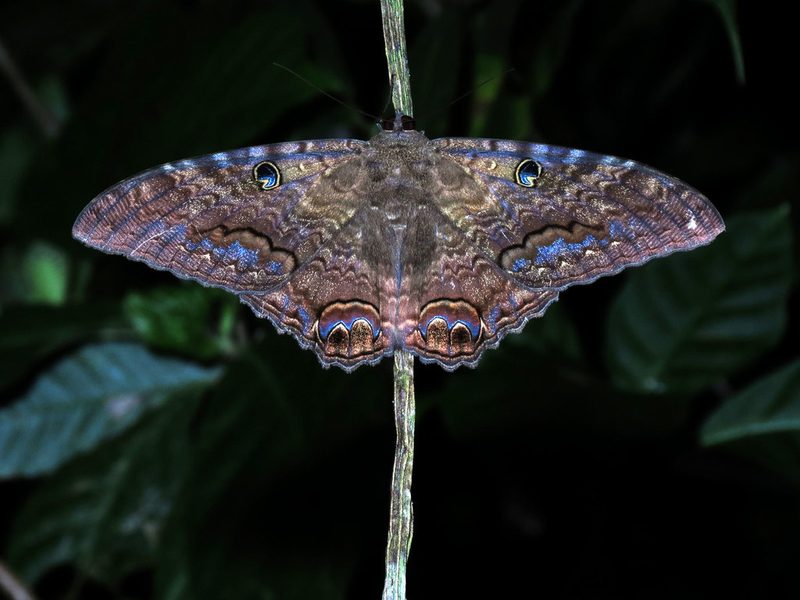
Bermuda’s monarch butterflies
Most monarchs in North America are famous for their long migration to Mexico. Bermuda’s are different: the island has its own resident population that does not migrate. Monarchs were recorded breeding here all year round as long ago as 1847, and a tagging study by a Bermuda researcher found that most of them stay and breed on the island all year. Migrating monarchs from North America also arrive from time to time, especially in autumn.
Their caterpillars eat only milkweed. Milkweed once grew wild in Bermuda’s open pasture land, but most of it was lost as the land was built on, so islanders are encouraged to grow it in their gardens. We plant lots of milkweed around Studio II, so guests there will often see monarchs: look for the striped black, yellow and white caterpillars on the leaves, and the jade-green chrysalises hanging nearby.
Bermuda once had its own cicada, the Bermuda cicada (Neotibicen bermudianus), whose song filled the cedar woods in summer. It depended on the Bermuda cedar, and after most of the cedars died in the 1940s and 1950s it slowly disappeared; the last one was heard in the late 1980s or early 1990s, and it is now thought to be extinct.
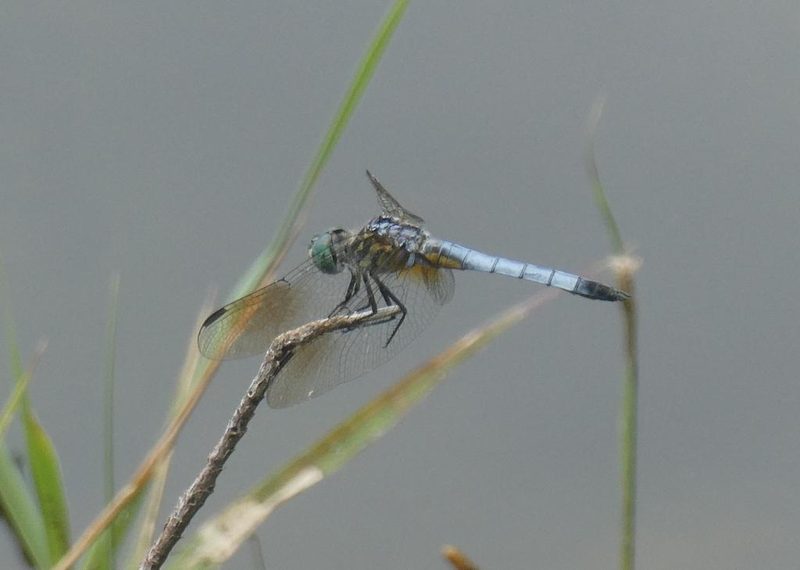
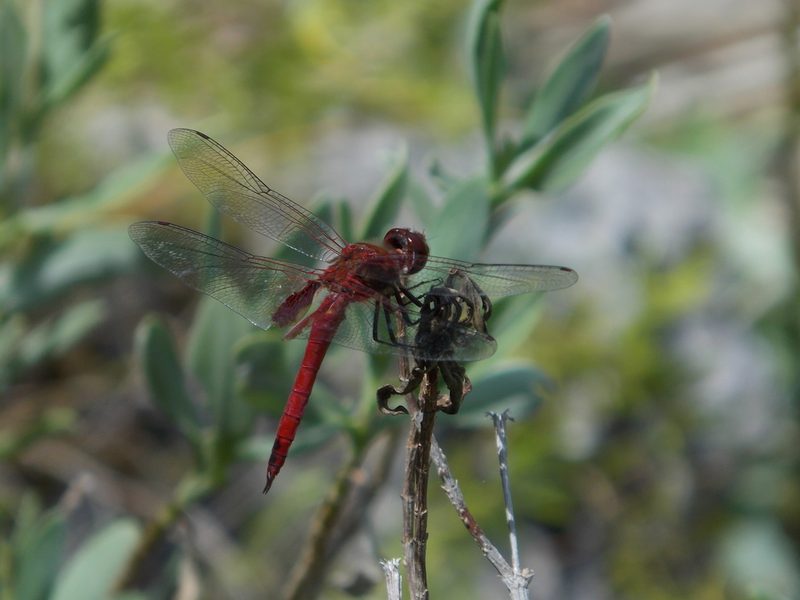
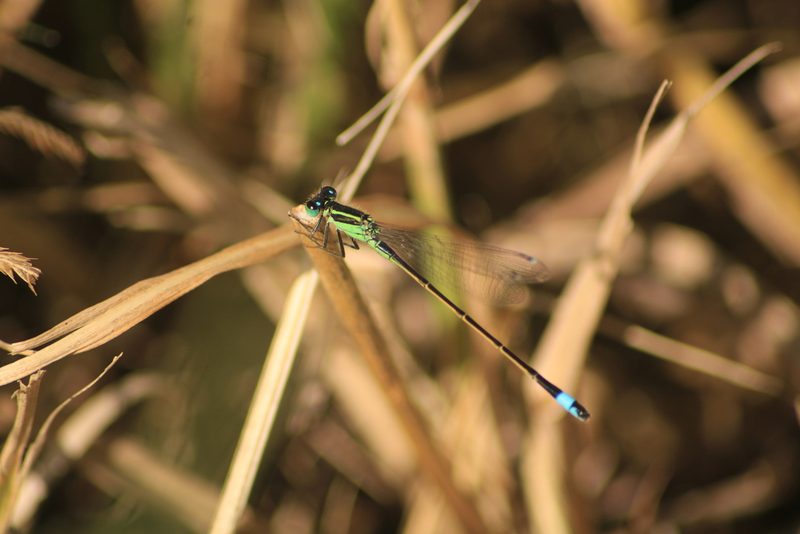
Dragonflies and damselflies
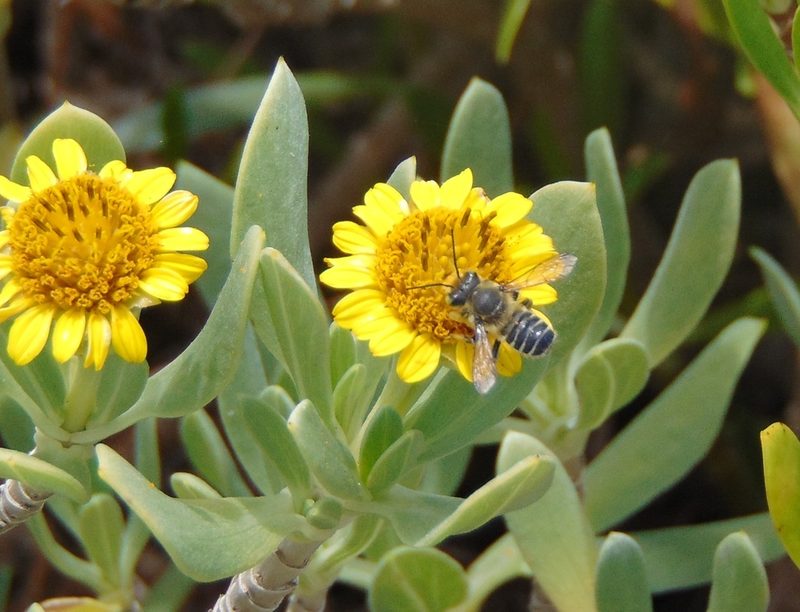
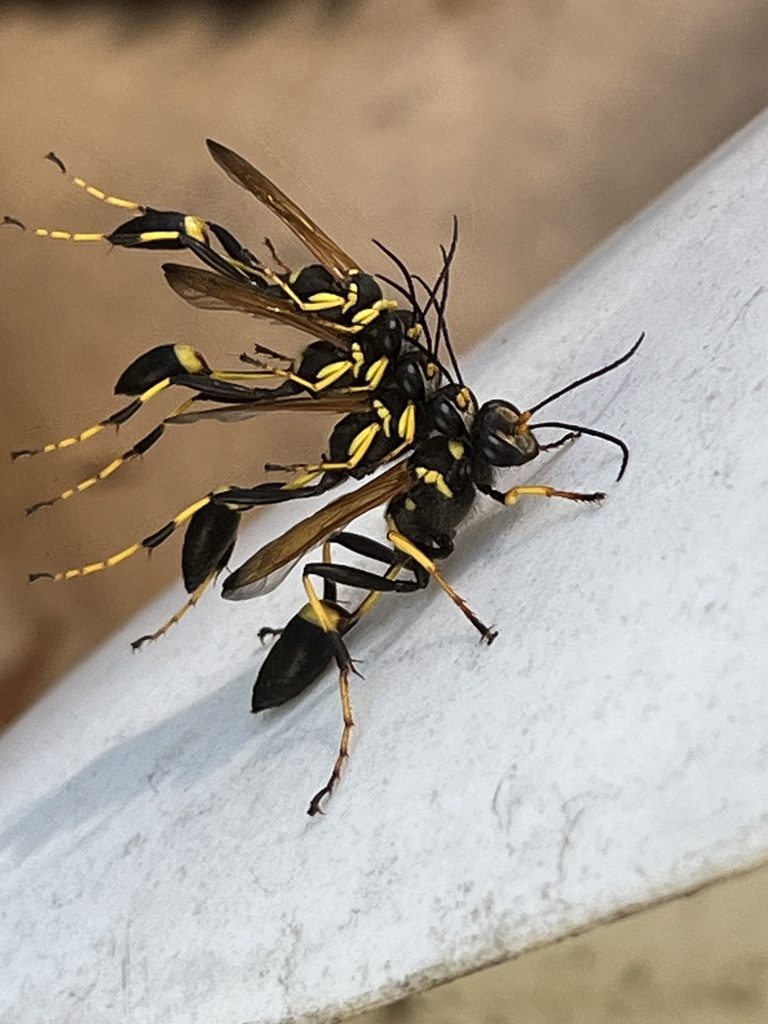
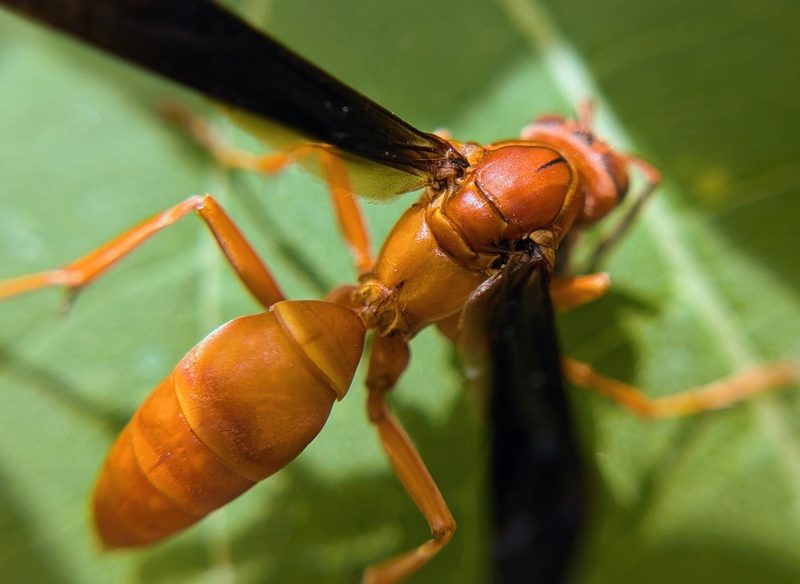
Bees and wasps
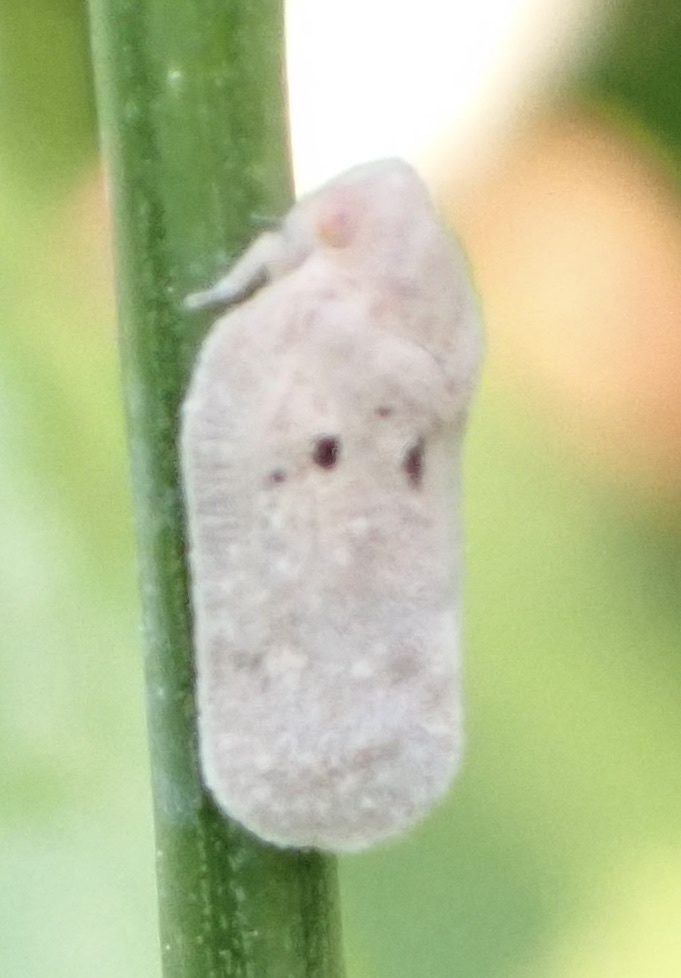
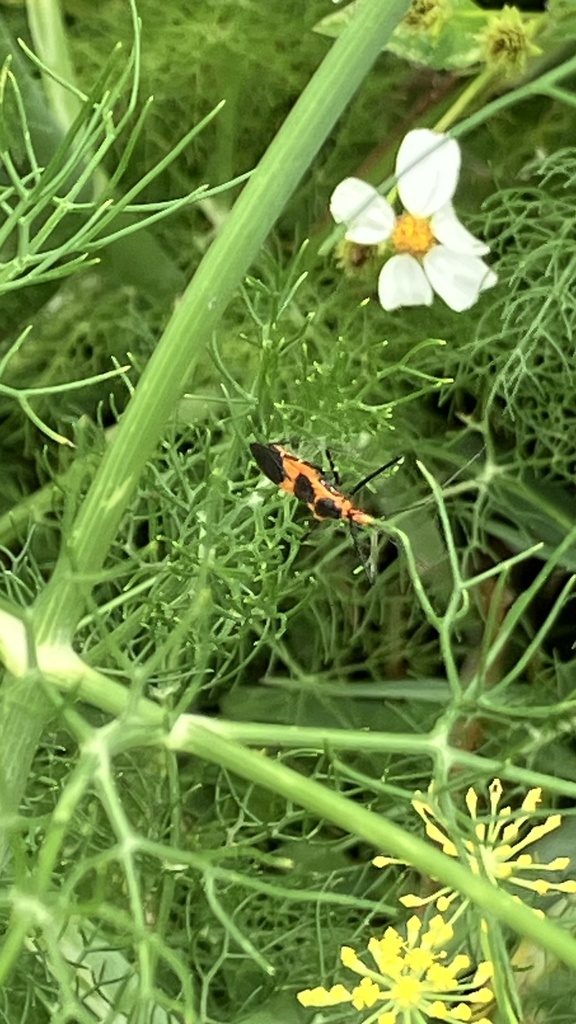
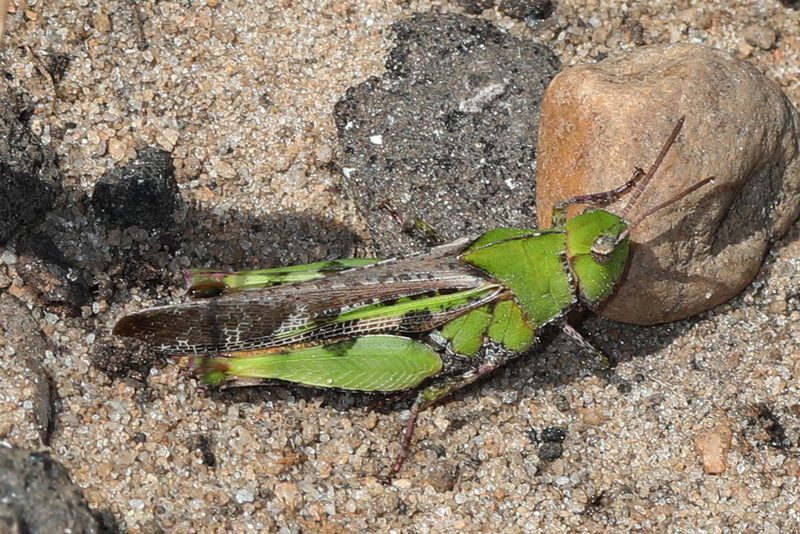
Bugs, grasshoppers and others
Less welcome visitors
Like anywhere warm, Bermuda has its share of insects that are less fun to meet:
- Mosquitoes, including the Asian tiger mosquito (Aedes albopictus), which bites by day as well as at dusk. They are most active in the warm, wet months; insect repellent helps, especially in the evening.
- Cockroaches. Large American cockroaches live outdoors all over the island and occasionally wander indoors at night, especially in summer. They are harmless; if one gets in, just let us know.
- Ants, mainly small introduced species, will find any crumbs, so keep food in sealed containers.
- Paper wasps nest under eaves and in shrubs; leave the nests alone and tell us if one is near a door.
- Centipedes (not strictly insects). Bermuda’s large reddish-brown centipede can give a painful bite. It hides under stones, leaves and anything left on the ground, and occasionally comes indoors at night. Shake out shoes, towels and beach bags left outside, never pick one up, and tell us if you see one inside.
See the complete list of every insect species recorded in Bermuda (463) »
Photos are from iNaturalist (taken in Bermuda wherever an openly licensed photo exists), used under their Creative Commons or public-domain licences; click a credit to see the original. Facts from the Bermuda Department of Environment and Natural Resources (environment.bm). If you see a Bermuda skink, a terrapin or a bat, the Department would like to hear about it.
« Flora & Fauna | Mammals | Reptiles & Amphibians | Insects | Spiders, crabs & snails | Sea creatures | Birds